Simulation-based prep for the PMP® exam
Original scenario questions across People, Process and Business Environment — curated first, then endless fresh ones from the built-in AI coach. Every option gets a rationale, every term links to the glossary, and difficulty rises as you build a streak.
- Consistent answers from a fixed, reviewed bank
- Rationale for all four options, every question
- Difficulty increases from question six, or after two correct in a row
- Summary highlights the domain costing you most
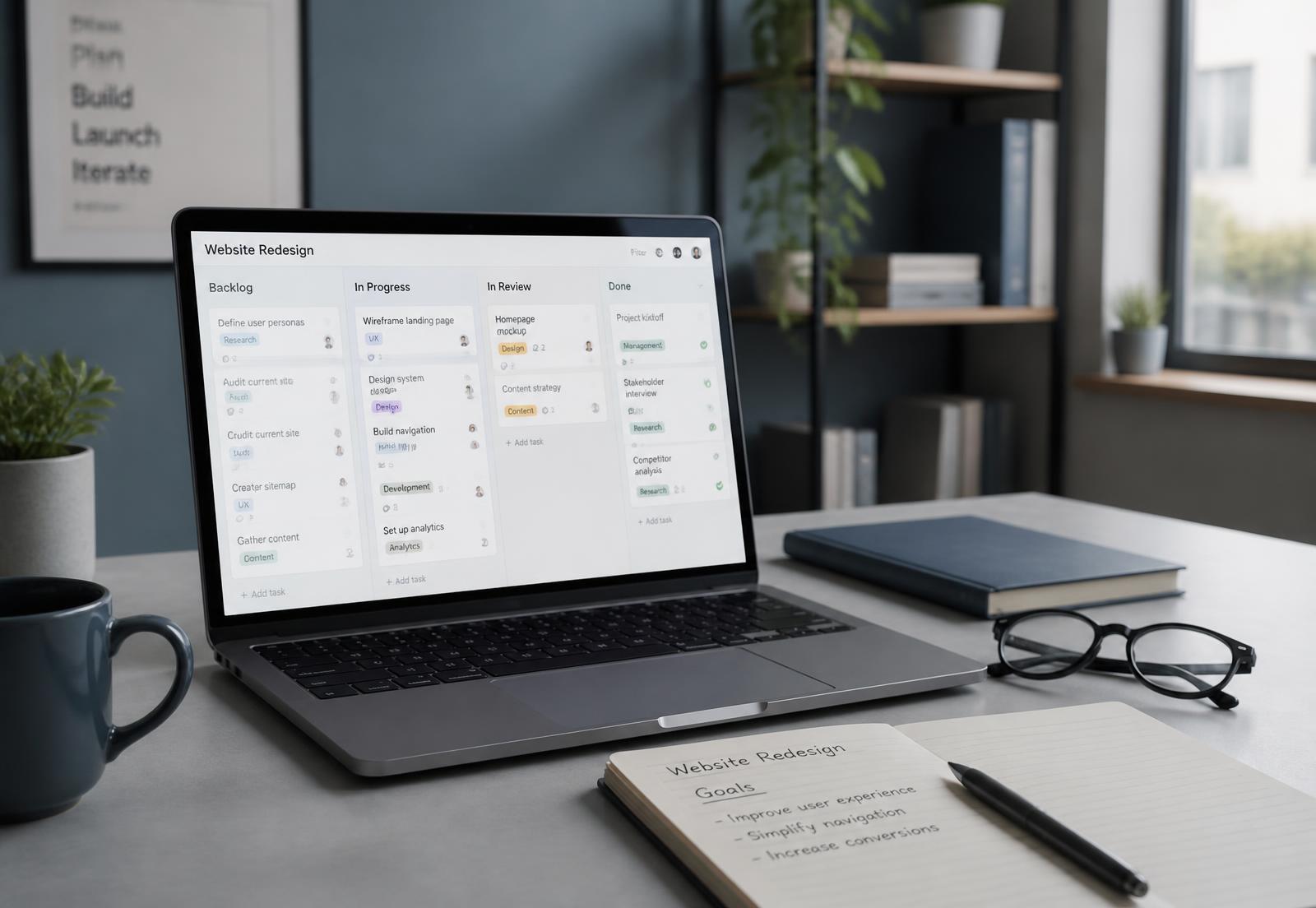
Everything in one study loop
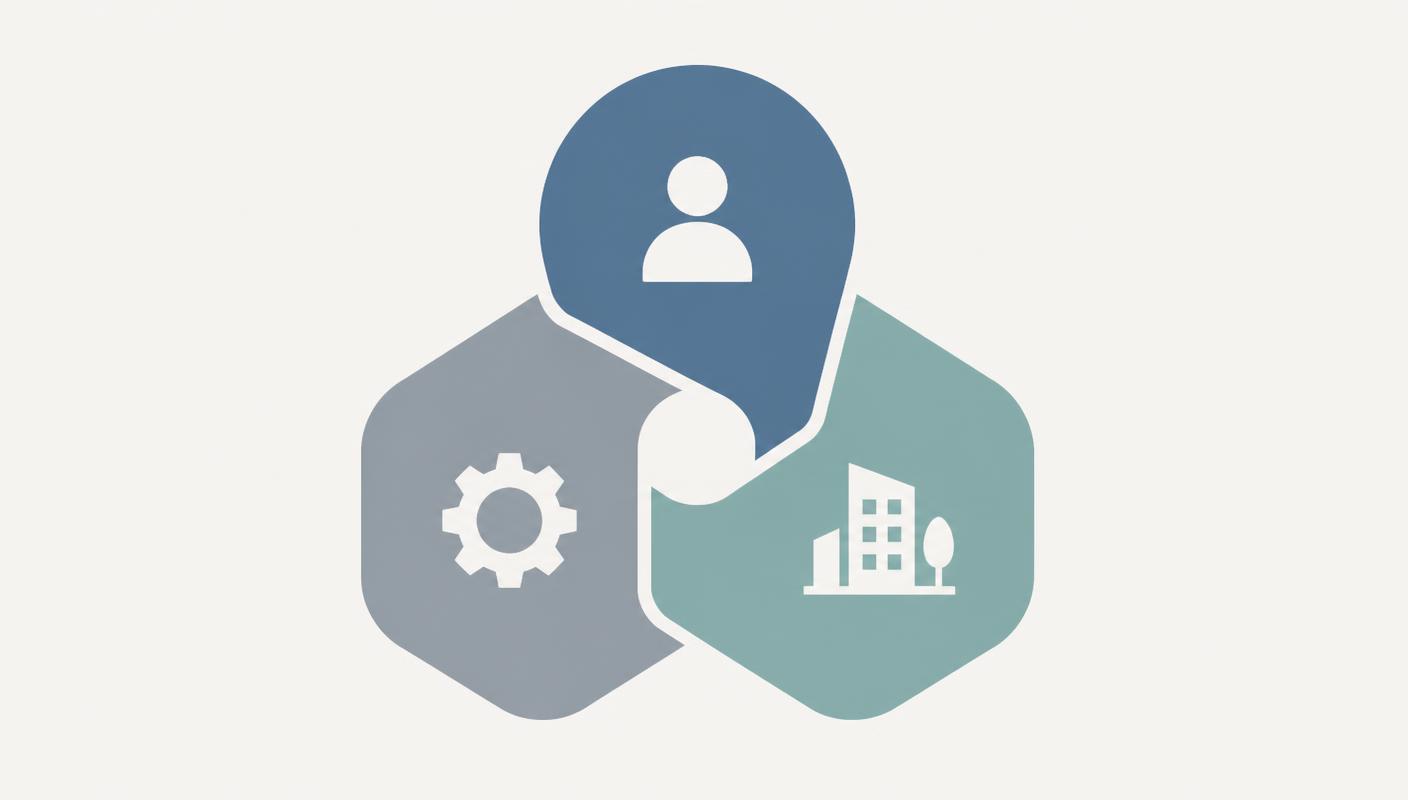
The three exam domains
Leadership, teams, conflict, coaching and stakeholder engagement.
Scope, schedule, cost, risk, quality, procurement and change control.
Compliance, benefits realization, governance and organizational change.
Seven PMBOK® Guide 8-aligned performance domains
Questions and glossary summaries use a consistent learning taxonomy, so your practice, plans, and progress stay connected.
Initiating, integrating and closing the project: value creation, governance models, knowledge, quality assurance, change and overall performance control.
Eliciting and analysing requirements, defining and structuring scope, then validating and controlling what the project delivers.
Planning schedule management, developing the schedule and keeping delivery timing under control as the work unfolds.
Planning financial management, estimating costs, developing the budget and monitoring the money against delivered value.
Identifying stakeholders, planning engagement and communications, then managing and monitoring both throughout the project.
Planning, estimating and acquiring people and physical resources, leading the team and controlling resource performance.
Planning risk management, identifying and analysing risks, planning and implementing responses and monitoring exposure.
Unlimited quiz practice and AI tutoring, completely free
Build trust with free questions, explanations, the glossary, and study tools. Capstone charter simulations are also free to start.
Take your first session